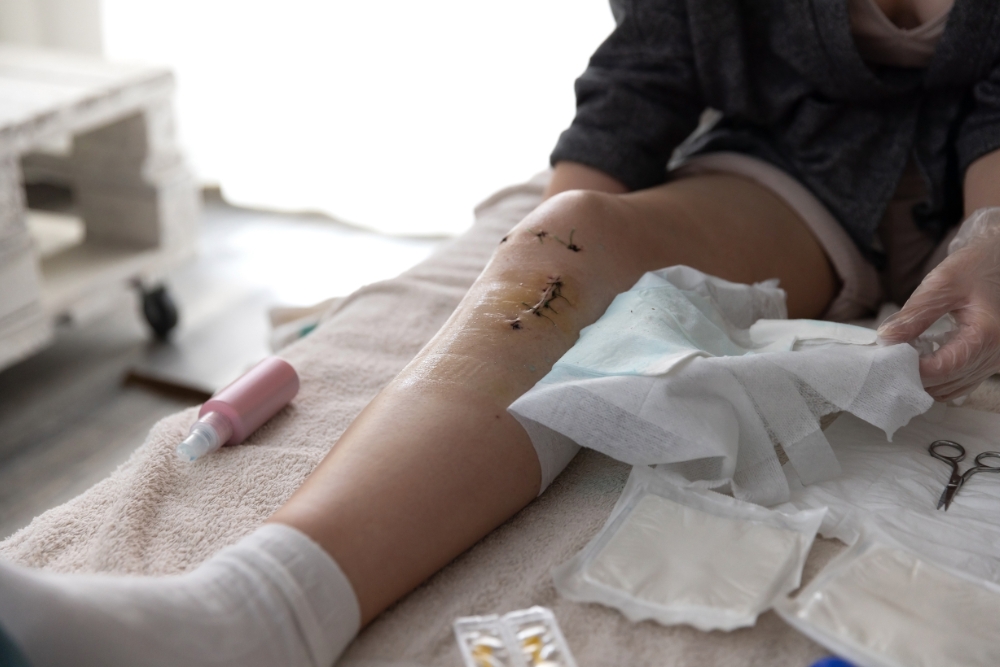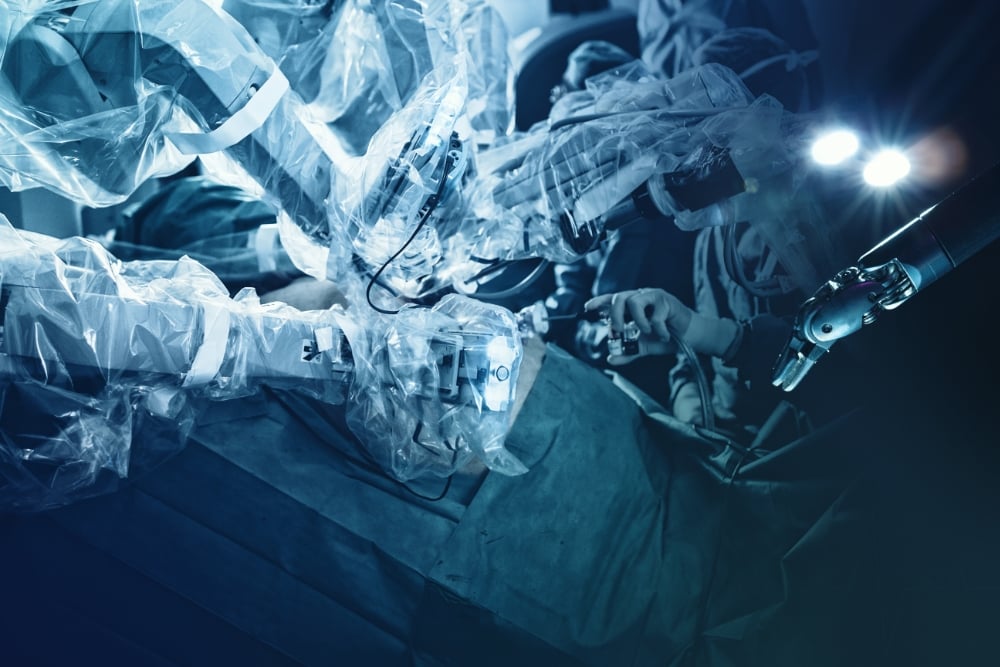
If you are considering a knee replacement, you may have come across the term robotic arm assisted surgery. For many people, that phrase raises more questions than answers. Some imagine a machine taking over the operation, while others worry it sounds experimental or risky.
The reality is far more grounded and reassuring. Robotic arm assisted knee replacement is not about handing control to a robot. It is about giving an experienced surgeon better tools to plan and perform surgery with a higher level of accuracy. The goal is a knee that fits better, feels more natural, and lasts longer.
This article explains how robotic arm assisted surgery works, with a clear focus on the Mako system. Everything is explained in plain English, without technical jargon. If you are weighing up your options or just want to understand what your surgeon might recommend, this guide will help you feel more confident and informed.
Why Precision Matters In Knee Replacement Surgery
A knee replacement is not a one size fits all procedure. Every knee is different, shaped by genetics, past injuries, and years of movement. Even small differences in alignment can affect how the joint feels and wears over time.
In traditional knee replacement surgery, surgeons rely on their training, experience, and manual instruments to position the implants. Many people do very well with this approach. However, small variations can still occur, especially when working inside a joint with limited visibility.
Precision matters because the knee is a weight bearing joint. If the implant does not sit quite right, it can lead to stiffness, discomfort, or uneven wear. Over time, that may increase the chance of revision surgery.
Robotic arm assisted technology was developed to help surgeons plan and execute each step with greater consistency, while still relying on their judgement and skill.
What Robotic Arm Assisted Surgery Actually Means
One of the most common fears patients have is that a robot performs the surgery on its own. This is not the case.
In robotic arm assisted knee replacement, the surgeon is in full control at all times. The robot does not make decisions or move independently. Think of it as a highly advanced tool that responds to the surgeon’s hands.
The system provides guidance, real time feedback, and physical boundaries that help the surgeon stay within the planned area. If the surgeon moves outside the planned zone, the system resists or stops that movement.
This combination of human expertise and smart technology allows for more accurate bone preparation and implant placement.
A Plain English Explanation of the Mako Robotic System
The Mako system is one of the most widely used robotic platforms for knee replacement surgery. Its strength lies in planning and precision.
Before surgery, a detailed scan of the patient’s knee is taken. This scan is used to create a three dimensional model of the joint. It shows the shape of the bones, the spacing, and how the knee moves.
Using this model, the surgeon plans the procedure before ever entering the operating theatre. They can decide the exact size and position of the implant based on the patient’s unique anatomy.
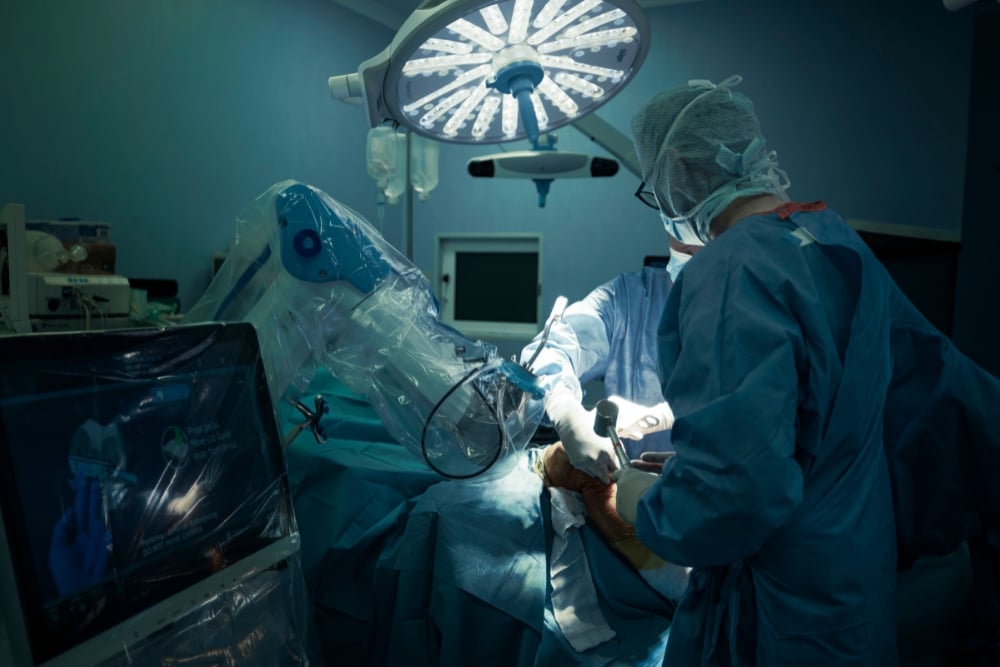
During surgery, the Mako robotic arm helps the surgeon carry out that plan. The surgeon guides the robotic arm, and the system ensures movements stay within the planned boundaries. It is similar to using power steering in a car. You are still driving, but with better control.
The robot does not cut on its own. It does not think. It responds to the surgeon’s input and helps translate the plan into action with a high level of accuracy.
How This Technology Can Improve Implant Fit
Fit is one of the biggest factors in how a knee replacement feels after surgery. A well fitted implant can move more smoothly and feel more stable during everyday activities.
Because the Mako system uses a personalised plan based on your own knee, it allows the surgeon to fine tune alignment and positioning. Adjustments can even be made during surgery if the knee behaves differently than expected.
This level of customisation is harder to achieve with manual tools alone. By improving how closely the implant matches your anatomy, robotic assistance aims to create a knee that feels more natural when walking, bending, and standing.
Better fit can also mean less stress on surrounding tissues, which may support a smoother recovery.
What This Means for Recovery and Long Term Outcomes
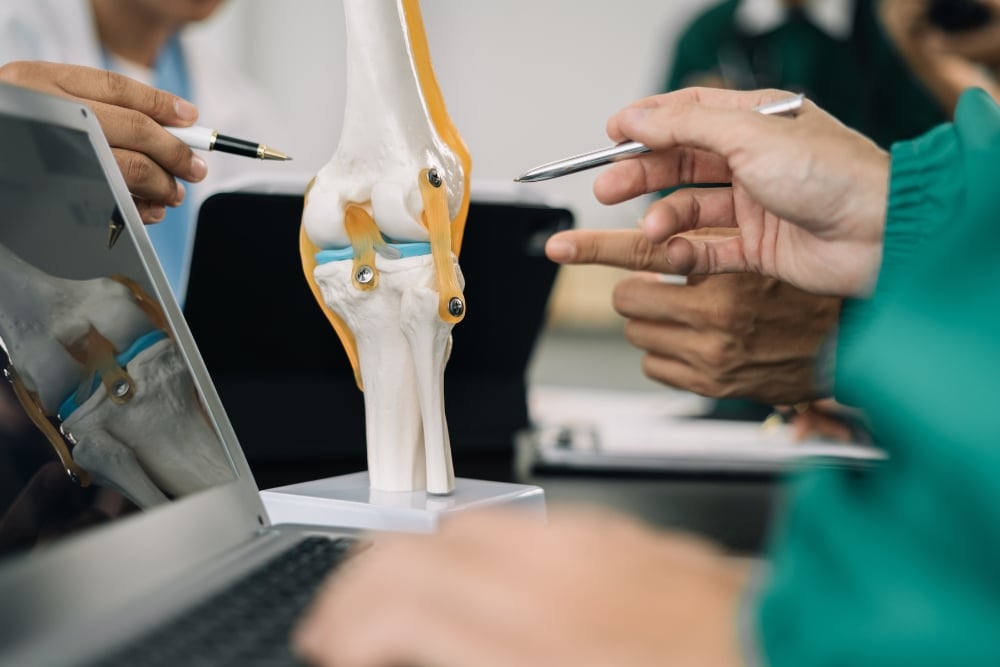
Many patients want to know if robotic arm assisted surgery changes recovery time. Recovery still depends on several factors including overall health, strength before surgery, and commitment to rehabilitation.
However, some studies and patient reports suggest that improved precision may lead to less soft tissue disruption. This can translate to reduced swelling and improved early movement for some people.
From a long term perspective, accurate alignment and fit may help reduce uneven wear on the implant. This is important for people who want their knee replacement to last as long as possible.
It is worth noting that no technology can replace proper rehab, realistic expectations, and follow up care. Robotic assistance supports the surgical step, but recovery is still a partnership between patient and care team.
Is Robotic Arm Assisted Surgery Right for Everyone
Robotic arm assisted knee replacement is not the right choice for every patient. Factors such as bone quality, deformity, and overall health play a role in determining suitability.
It also depends on the surgeon’s training and experience with the system. A skilled surgeon using traditional methods can still achieve excellent results.
What matters most is having a detailed discussion with a specialist who understands your condition and can explain why a particular approach is recommended for you.
If you are researching options and want to understand whether robotic assistance may be suitable, it can help to speak with an orthopaedic surgeon who regularly performs knee replacements and can explain the pros and cons clearly.
For patients seeking clear, personalised advice, you can read more about modern knee replacement approaches and patient care at https://orthopaedicsurgeonadelaide.com.au/
Choosing a Surgeon, Not Just a System
It is easy to focus on the technology, but the surgeon remains the most important part of the equation. Robotic systems do not replace experience, judgement, or surgical skill.
When choosing a surgeon, look for someone who takes time to explain your options, answers questions honestly, and has experience with both traditional and robotic assisted techniques.
If you want to understand how robotic arm assisted surgery is used in real clinical practice, including the Mako system, you may find it helpful to review the approach outlined by https://drjasonward.com.au/
This can give you a clearer picture of how the technology supports, rather than replaces, the surgeon.
Final Thoughts on Robotic Arm Assisted Knee Replacement
Robotic arm assisted surgery is best viewed as an evolution in surgical tools. It gives surgeons more information, more control, and greater consistency when performing knee replacements.
The idea of a robot operating on you can sound unsettling at first. In reality, it is still a surgeon led procedure, with technology acting as a guide and safety net.
For many patients, understanding this distinction helps reduce anxiety and build trust in the process. The focus remains on achieving a knee that fits well, functions smoothly, and supports an active life after surgery.
If you are considering knee replacement and want guidance that fits your situation, speaking with an experienced orthopaedic specialist is the next sensible step. Clear advice and realistic expectations can make all the difference.
Frequently Asked Questions
Does the robot perform the surgery by itself?
No. The surgeon performs the surgery. The robotic arm is a tool that responds to the surgeon’s movements and helps them stay within the planned area.
Is robotic arm assisted surgery safer than traditional surgery?
Both approaches are considered safe when performed by an experienced surgeon. Robotic assistance aims to improve accuracy and consistency, which may support better outcomes for some patients.
Will recovery be faster with robotic arm assisted surgery?
Recovery varies from person to person. Some patients experience smoother early movement, but rehab, strength, and overall health still play a major role.
Can every surgeon use the Mako system?
No. Surgeons need specific training to use the system. It is important to choose a surgeon who is experienced and confident with the technology.
Is robotic arm assisted surgery more expensive?
Costs depend on the hospital, surgeon, and health cover. It is best to discuss fees and inclusions directly during your consultation.