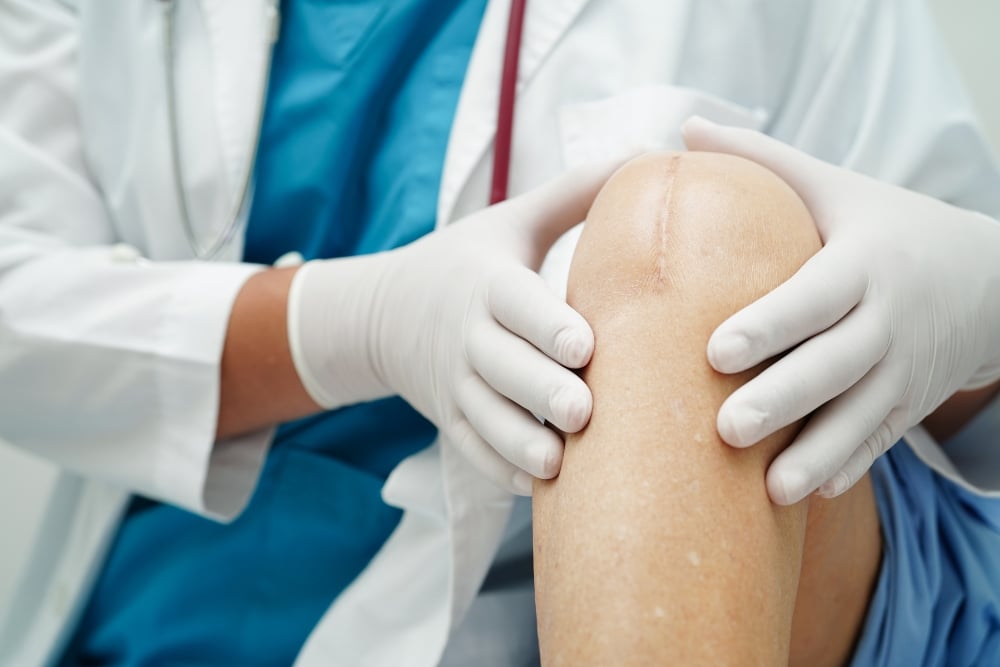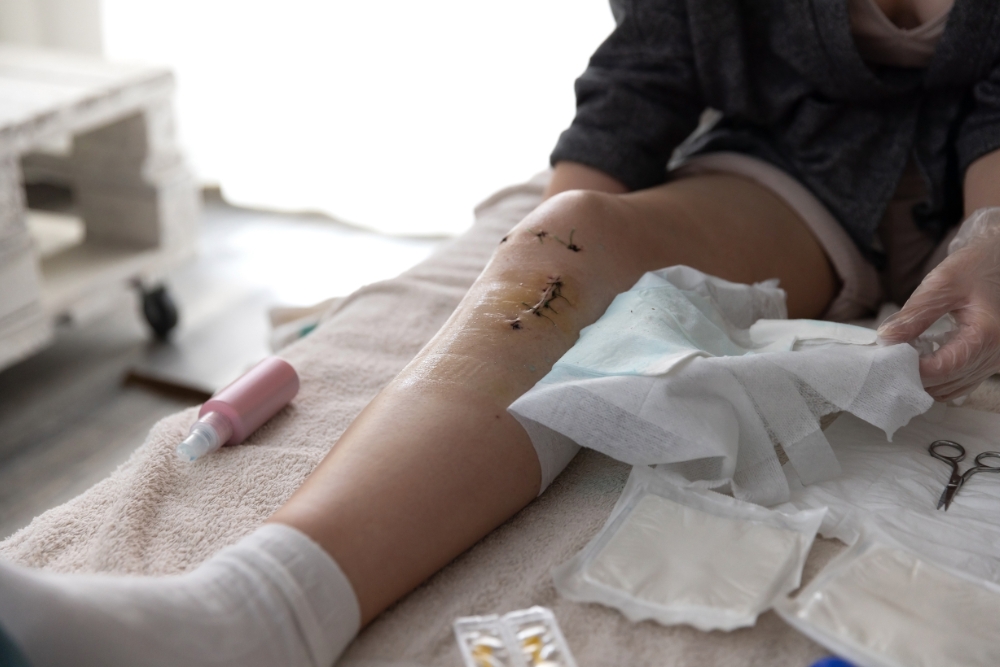
An ACL injury can feel like everything stops at once. One awkward landing, a sudden twist, and suddenly the season you were training for is gone. For amateur athletes playing local footy or netball across South Australia, an ACL tear is more than a medical issue. It affects routines, fitness, confidence, and connection to the club community.
ACL reconstruction can help many athletes get back to the sports they love, but surgery is only one part of the picture. The real work happens in the months that follow. A safe return to pivot heavy sports like football and netball depends on a structured rehab plan, patience, and proper return to sport testing.
This guide walks through the 9 to 12 month rehabilitation journey, what to expect at each stage, and why return to sport testing matters before pulling on the boots again.
Understanding ACL Injuries in Community Sport
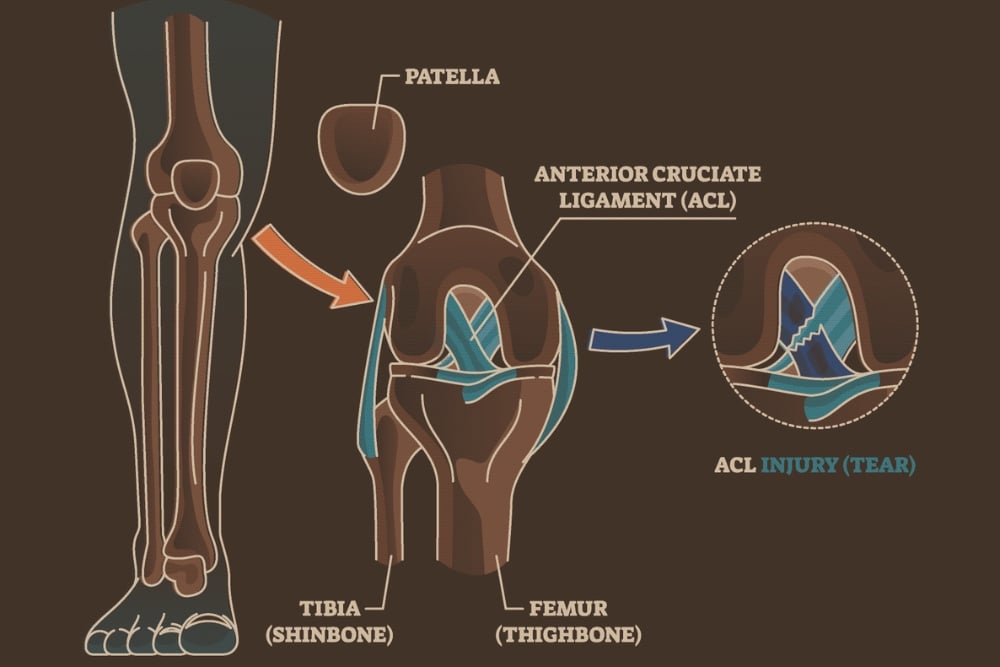
Local footy and netball place heavy demands on the knees. Sudden direction changes, jumping, landing, and contact all put stress on the ACL. Many amateur athletes tear their ACL during games or training without any direct contact at all.
Unlike professional athletes, community players often juggle work, family, and training. Rehab needs to fit real life, not just ideal conditions. That is why having clear milestones and realistic expectations is so important.
Not every ACL tear requires surgery, but for athletes wanting to return to competitive pivoting sports, ACL reconstruction is often recommended after a proper assessment.
What ACL Reconstruction Aims to Achieve
ACL reconstruction replaces the torn ligament with a graft, commonly taken from the hamstring or patellar tendon. The goal is to restore knee stability so the joint can handle cutting, pivoting, and landing.
Surgery alone does not make the knee ready for sport. The graft needs time to heal and strengthen. Muscles need to be retrained. Movement patterns need to be corrected. This is where the months of rehabilitation matter most.
The First Three Months Rebuilding the Basics
The early phase of rehab focuses on recovery and movement, not sport.
Weeks 1 to 6
During the first few weeks, swelling control and knee extension are priorities. Athletes work on:
- Reducing swelling and pain
- Regaining full knee straightening
- Activating the quadriceps
- Walking normally without limping
Trying to do too much too soon can slow progress later. This phase sets the foundation for everything that follows.
Weeks 6 to 12
As strength improves, rehab becomes more active. Exercises usually include:
- Closed chain strengthening
- Balance and control drills
- Stationary bike and pool work
- Light gym based strength training
At this point, many athletes start to feel good and assume they are close to playing again. This is where guidance matters. The graft is still healing, even if the knee feels stable.
Months Three to Six Building Strength and Control
This phase is about restoring strength, symmetry and movement quality.
Athletes gradually increase:
- Single leg strength
- Hip and core control
- Controlled running on flat surfaces
- Landing mechanics
Running often returns somewhere between months three and four, depending on progress. This does not mean sport readiness. Straight line running places very different demands on the knee compared to cutting and pivoting.
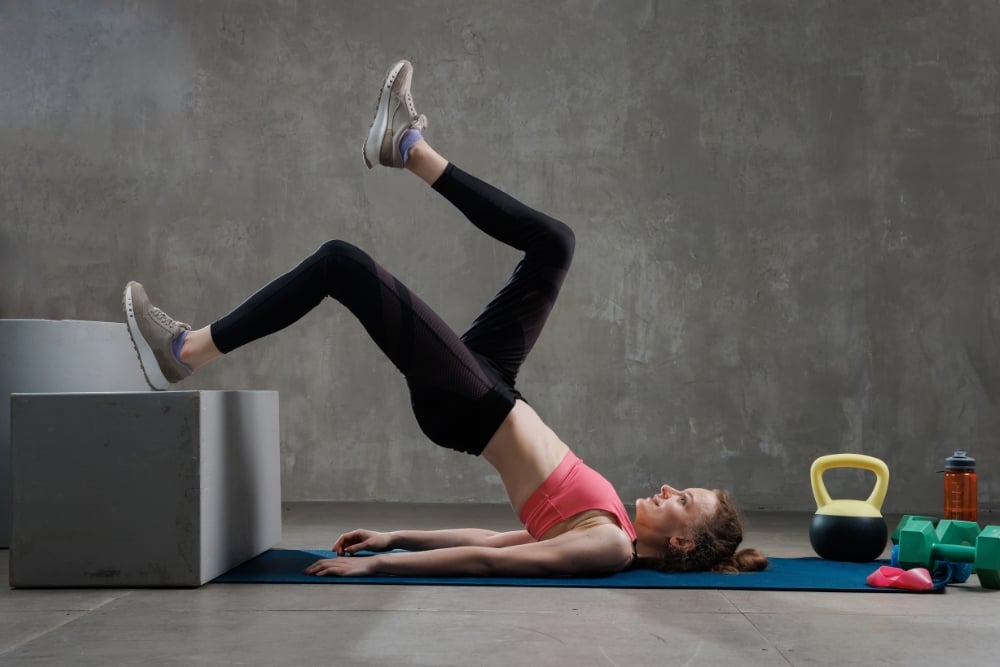
Physios often assess limb strength during this phase to track progress and adjust programs.
Months Six to Nine Preparing for Sport Demands
This is where rehab becomes sport specific.
Exercises now include:
- Change of direction drills
- Acceleration and deceleration work
- Jumping and landing under fatigue
- Reaction based movements
For footy and netball players, this phase is vital. These sports involve unpredictable movement and quick decisions. Training the body and brain together helps reduce re-injury risk.
Even at this stage, returning to competition is not automatic. Strength alone is not enough.
Why Return to Sport Testing Matters
Return to sport testing is one of the most important steps in ACL rehab. It helps determine whether the knee is ready for the demands of competition.
Testing often includes:
- Single leg hop tests
- Strength comparisons between legs
- Balance and control assessments
- Movement quality during sport like tasks
The aim is not perfection. The goal is to ensure the reconstructed knee can tolerate the loads of pivoting sports and that the athlete can move confidently and safely.
Skipping this step increases the risk of graft failure or injury to the other knee. For community athletes, another ACL injury often means stepping away from sport altogether.
This testing phase gives athletes confidence that their body is ready, not just their motivation.
The Final Phase Months Nine to Twelve
Many amateur athletes return to sport between nine and twelve months after surgery. The timing depends on progress, test results, and the specific demands of the sport.
This phase often includes:
- Modified team training
- Gradual exposure to contact where relevant
- Ongoing strength maintenance
- Monitoring workload and recovery
Returning to local leagues in South Australia often means hard grounds, uneven surfaces, and unpredictable play. A gradual return allows the body to adapt without overload.
Mental Readiness and Confidence
Physical recovery is only part of the journey. Many athletes feel hesitation when returning to sport, especially during pivoting movements.
Working with physios who understand the mental side of rehab can help. Confidence grows when athletes trust their knee, understand their testing results, and know they have done the work.
Choosing the Right Surgical and Rehab Support
ACL outcomes depend heavily on good decision making early on. Clear communication between surgeon, physio, and athlete helps align expectations and timelines.
If you are considering ACL reconstruction or are early in your rehab journey, speaking with an experienced orthopaedic specialist can provide clarity around your options and recovery plan.
For those seeking specialist care in South Australia, Dr Jason Ward provides assessment and surgical management tailored to active individuals, including amateur athletes aiming to return to local sport.
Getting Back on the Court or Field Safely
Returning to footy or netball after ACL reconstruction is possible, but it requires patience and structure. The 9 to 12 month rehab journey is not about rushing back. It is about coming back strong, confident, and prepared for the demands of the game.
If you are unsure where you are in your recovery or want clarity around return to sport testing, a specialist review can help guide the next steps. The right advice at the right time can make the difference between a confident return and ongoing setbacks.
FAQs
How long before I can play footy or netball again after ACL surgery?
Most amateur athletes return between nine and twelve months, depending on rehab progress and testing results.
Is return to sport testing really necessary?
Yes. Testing helps confirm that your knee can handle the demands of pivoting sports and reduces the risk of re injury.
Can I return earlier if I feel strong?
Feeling strong does not always reflect graft readiness or movement control. Returning too early increases injury risk.
Will my knee ever feel normal again?
Many athletes report their knee feels stable and reliable after proper rehab, though it may feel different from before injury.
What happens if I skip parts of rehab?
Incomplete rehab often leads to ongoing weakness, reduced confidence, or further injury.